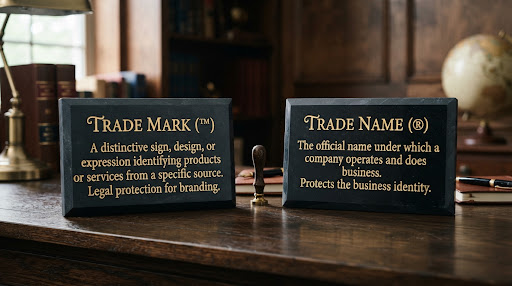

Launching any commercial venture requires intensive capital allocation towards marketing, branding, packaging, and digital platforms. However, if the distinctive sign has not undergone rigorous clearance searches or formal filing before the IP office (SENAPI), the business faces imminent risks of infringing third-party rights or suffering bad-faith trademark squatting.
1. The Priority Principle & Attributive System
Under most industrial property statutes, including Andean Community Decision 486 in Bolivia, the "first to file" rule governs. Exclusive trademark rights do not arise from mere commercial use or corporate registry incorporation, but exclusively from the formal grant certificate issued by the patent and trademark office.
Waiting for a brand to gain traction before filing creates a critical vulnerability: competitors or opportunistic third parties can file identical or confusingly similar signs, triggering protracted opposition and invalidation litigation.
"Building a brand without prior registration is equivalent to erecting a skyscraper on land titled to someone else."
2. Immediate Risk of Injunctions and Cease-and-Desist Actions
Prior trademark holders possess statutory standing to file immediate infringement lawsuits and seek preliminary injunctions, including:
- Court orders commanding the immediate cessation of brand usage across physical products and web domains.
- Customs seizure and impoundment of infringing merchandise and packaging materials.
- Preventive closure of commercial venues and domain name takedown orders.
- Damages and lost profits compensation claims.
3. Intangible Asset Valuation & Global Scalability
A registered and secured trademark is not merely a legal defense shield, but a financial asset of rising balance-sheet value. It can be mortgaged as collateral, monetized through licensing royalties, and transferred in M&A transactions. Furthermore, valid title is an indispensable prerequisite for franchising or securing venture capital investment.